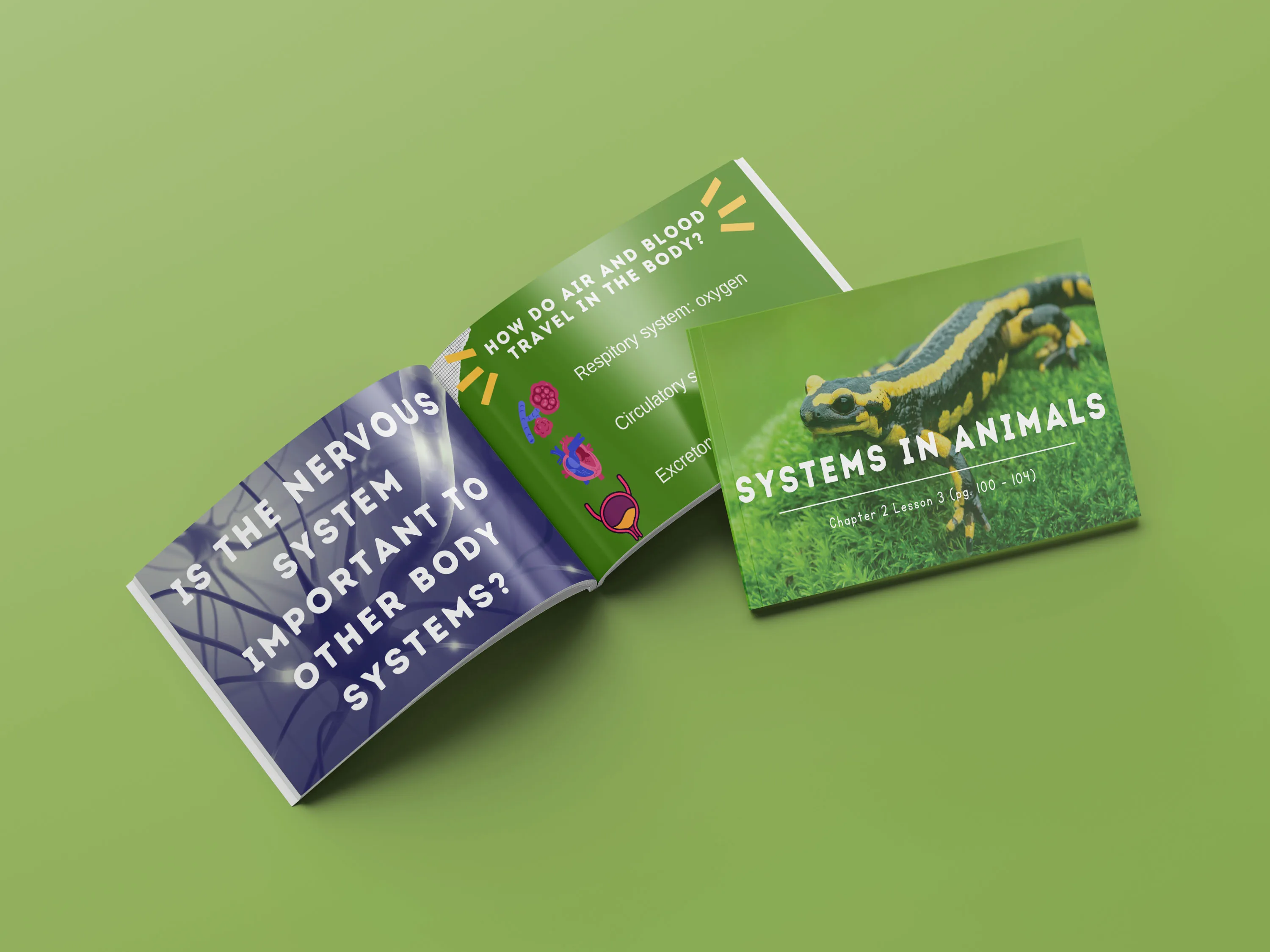
Studio School
Design workshops
A bilingual design course that teaches elementary students one working method. Run at Ritz Kornell in Taichung from 2021 to 2022 for grades 3 to 6: discover, ideate, prototype, iterate, present. Students wireframed, built, critiqued and shipped their own websites, and tested mechanical prototypes they made themselves.
Discover
Every module opens on a real problem the students can point at: something they noticed, a classmate they interviewed, a prompt I set. My first prompts were too open and left them stranded.
Ideate
Sketch and list fast, then pick one with the class's input. Choosing in front of the room makes them say why. Speed stops the overthinking.
Prototype
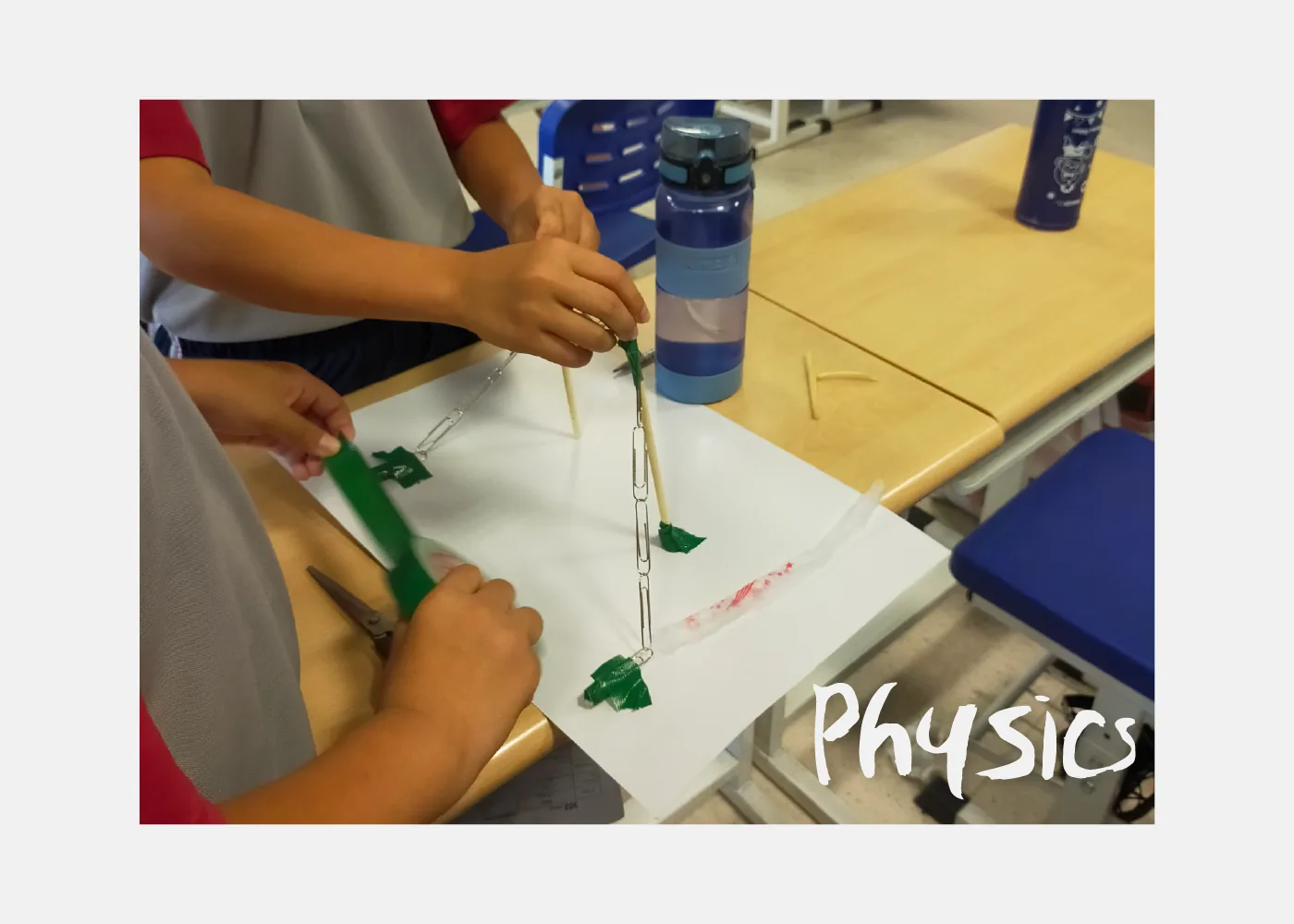
Students build a working version. Paper wireframes then coded pages on the website modules, simple mechanical rigs on the experiments. Speed matters, polish does not.
Iterate
Test, then write down what happened: what worked, what broke, what they changed. That record counts as much as the thing itself, so a change you cannot explain does not count.
Present
Students present in English: the goal, the choices, the evidence, what is next. How you explain the work is part of the work.
Gallery
Specifications
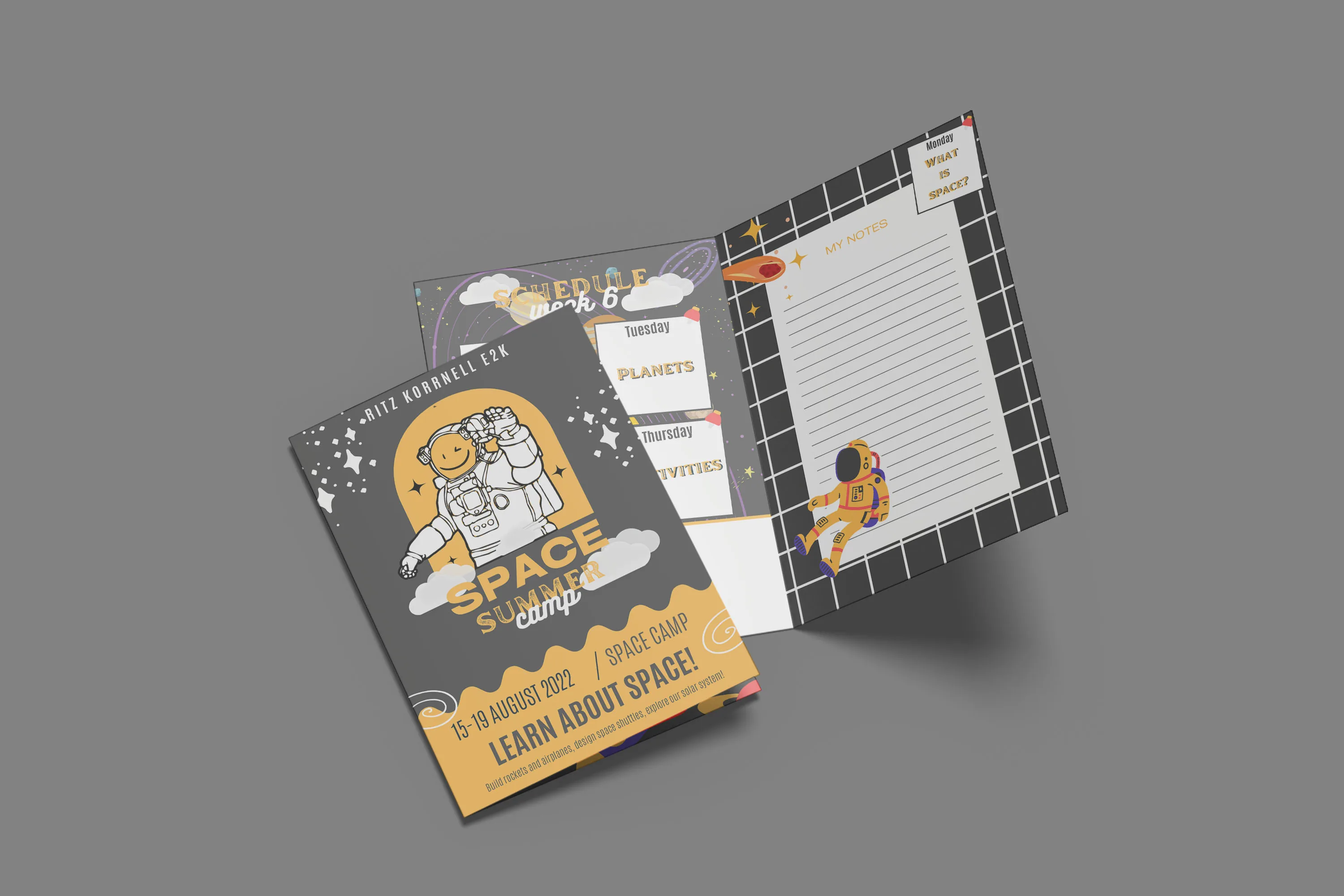
Ritz Kornell · Taichung, Taiwan · 2021 to 2022 · audience: grades 3 to 6. Modules: student websites (wireframes → build → critique → ship) · experiments (mechanical/interactive prototypes with guided testing). Resources: workbooks, digital modules, peer-review templates
- Challenges1/2
My first lessons were too rigid and shut down the exploration. I rebuilt the prompts around time-boxed freedom inside clear limits, better examples, and peer critique in every phase.
- Insights2/2
Nine-year-olds get further showing a half-built thing to the class than they do from me explaining it better. Give them a problem they can point at and the abstract part takes care of itself.
Swipe to explore